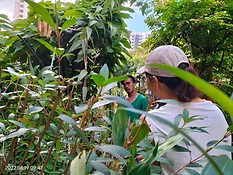
A 3-day experiential holiday camp that brings Science, Mathematics and English together through hands-on nature exploration, problem-solving and creative storytelling.
Designed for Primary 4 to 6 students, the programme encourages curiosity, critical thinking, creativity and collaboration through meaningful real-world learning experiences.
Learning Outcomes
By the end of the camp, students will demonstrate improved scientific observation, mathematical reasoning, creative expression, environmental awareness and collaborative problem-solving skills.
Delivered collaboratively by Aquaplant Culture International (APCI), Seriously Addictive Mathematics (SAM) Serangoon and The Book Bandit.
Day 1
Discover & Explore
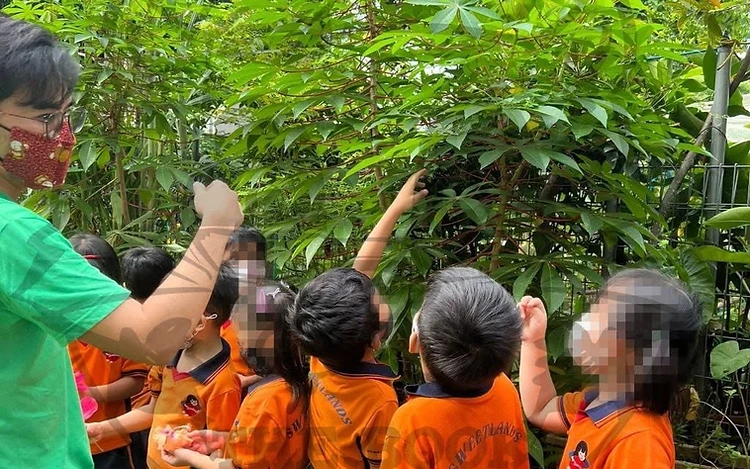
Students embark on a guided nature exploration, observing biodiversity, identifying plants and organisms, and recording their discoveries through field notes and nature journals. They develop observation, communication and descriptive writing skills.
Day 2
Solve & Tell
Through interactive Mathematics activities, students strengthen logical reasoning, problem-solving and analytical thinking. They also transform their observations into written reflections, stories and group presentations, building confidence in communication and teamwork.
Day 3
Create & Experiment
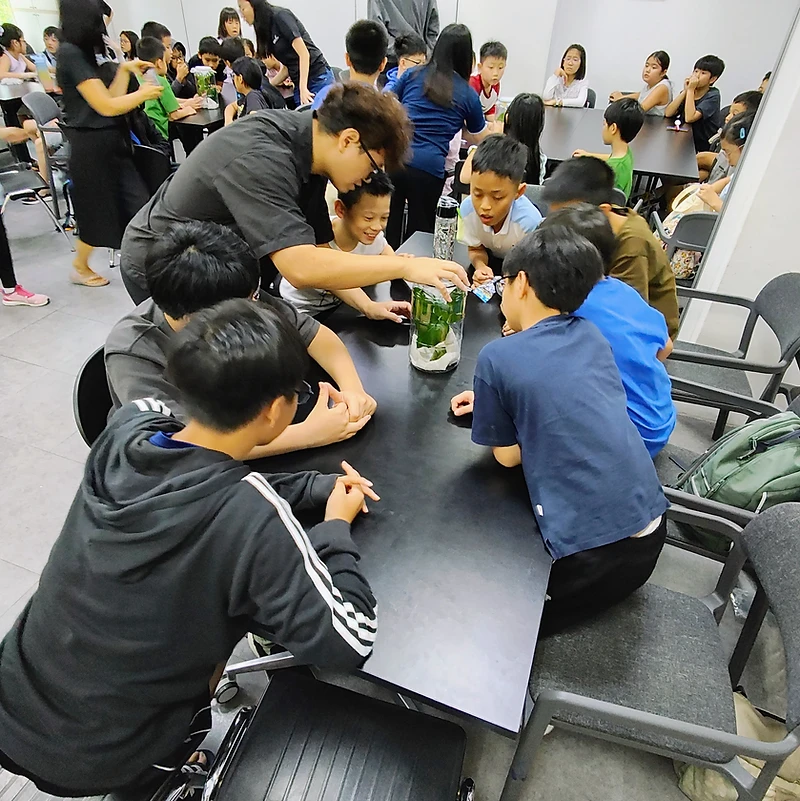
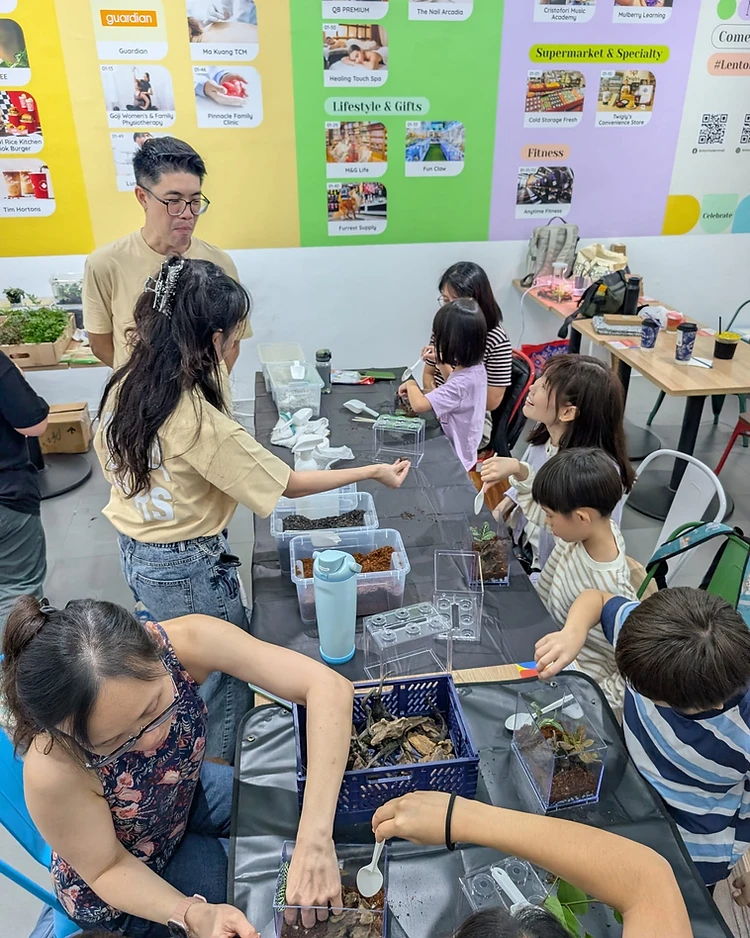
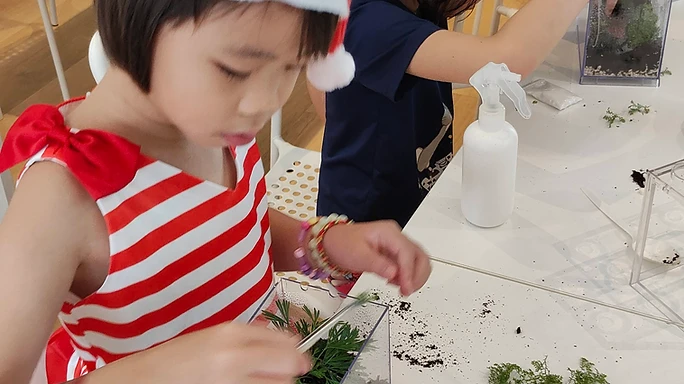
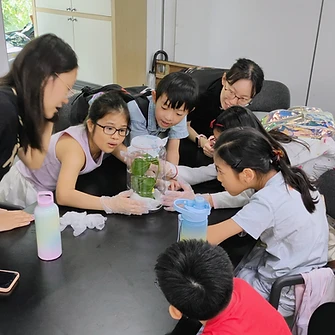
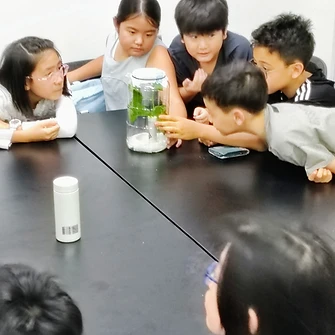
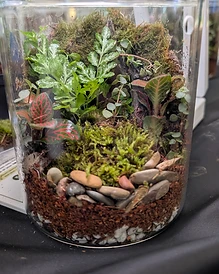
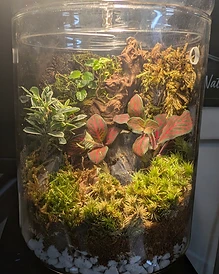
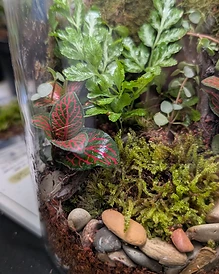
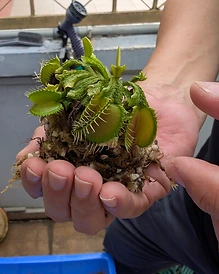
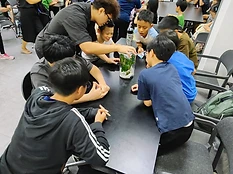
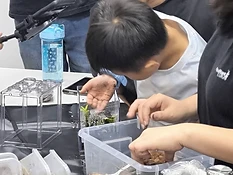
Students apply scientific concepts through hands-on experiments, terrarium building, isopod ecology and carnivorous plant exploration, discovering how living organisms interact within ecosystems.
Why This Camp?
Your child already learns Science, Math and English. This December, let them use them.
Children usually encounter these subjects separately. This camp starts somewhere different: the real world.
01
They observe something.
02
They ask why.
03
They collect information.
04
They find patterns.
05
They write about it.
06
They solve problems.
07
They experiment.
Knowledge becomes more meaningful when children have a reason to use it.
The Camp Learning Journey
Discover → Solve → Tell → Create
Three disciplines. One connected learning journey.
Nothing here is taught in isolation. Every skill is used in the same day, on the same piece of real work.
Science & Math
Investigate
Observation & curiosity
Scientific thinking
Measurement & pattern recognition
Mathematical reasoning
Problem-solving
English
Express
Vocabulary & descriptive writing
Storytelling
Communication
Creative thinking
Confidence in sharing ideas
Across all three
Work & Reflect
Teamwork & collaboration
Decision-making
Hands-on experimentation
Reflection & journaling
Connecting ideas across Science, Math and English
The Three-Day Adventure
Two days that feed the third.
Day 1 sends children out as field researchers; Day 2 turns those observations into reasoning, problem-solving and communication — all building toward the hands-on Science of Day 3.
Day 1: Explore & Observe
Children begin as field researchers. Through a collaborative nature experience by APCI and Book Bandit, they observe the world around them, investigate living things, take field notes, ask questions and discover stories hidden in seemingly ordinary things.
Children begin as field researchers. Through a collaborative nature experience by APCI and Book Bandit, they observe the world around them, investigate living things, take field notes, ask questions and discover stories hidden in seemingly ordinary things.
Children finish the camp by experimenting, building and applying what they've learned.
🐚
Hermit Crabs
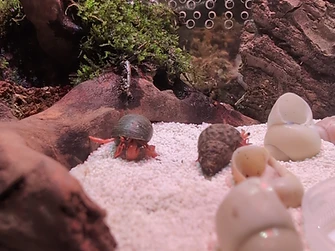
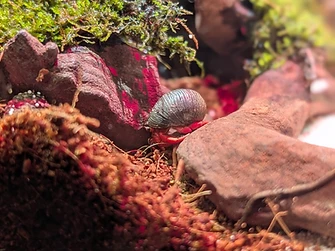
Observe live hermit crabs and discover how shell selection, camouflage and body shape are adaptations for survival.
🪲
Isopod Ecosystems
Discover decomposition, microhabitats and ecological relationships.
🌱
Carnivorous Plants
Explore some of the strangest adaptations in the plant world.
🧪
Slime Science
Experiment with polymers, viscosity and material properties.
🌿
Living Systems
Create something that continues changing after camp ends.
🔬
Experimentation
Predict. Test. Observe. Record. Question again.
Living Systems
They build a world. Then they take it home.
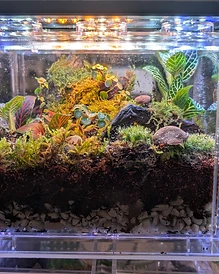
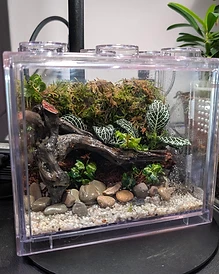
Each child assembles a miniature ecosystem in layers — drainage gravel, soil, driftwood, moss and living plants — then learns what keeps it alive once the lid goes on. The finished terrarium travels home, so the observing and caring continue long after camp ends.
Adaptation Focus
Adaptations you can watch happen.
At this station children work with live hermit crabs — observing how each one carries a borrowed shell, offering different shells and watching how the animal responds, then recording how shell shape, camouflage and body form help it survive. Adaptations stop being a textbook term and become something children can see, test and describe for themselves.
Meet the Three Education Partners
Three specialists, one integrated camp.
Each partner keeps a distinct identity within the programme — yet the children experience a single, cohesive journey. Tap a partner to read their intro.
APCINature & Applied Science
Aquaplant Culture International
Discover & CreateRead intro
SAMMathematical Thinking & Problem-Solving
Seriously Addictive Mathematics Serangoon
SolveRead intro
Book BanditEnglish, Writing & Storytelling
Book Bandit
Kornelius Wang
TellRead intro
What Will My Child Bring Home?
The camp ends on Friday. The curiosity shouldn't.
📓
Nature Journal
Filled with observations, writing, illustrations and discoveries.
🌱
Living Science Project
Something they can continue observing and caring for.
📂
Project Work
Evidence of the problems, stories and ideas explored over three days.
❓
New Questions
Perhaps the most important thing they can bring home.
Optional Parent Add-On
Want to Join the Adventure Too?
Selected camp experiences aren't only fun for kids. Parents who would like to participate alongside their child can purchase an optional Parent Join-In Pass for selected activities.
Potentially available for nature exploration, APCI hands-on Science activities and selected experiences suitable for family participation.
Children do not require a parent to participate in the camp.
Something for Parents, Too
Parent Networking Session
Meet the educators. Meet the community.
Parents of registered campers are invited to join us for an informal afternoon gathering with the people behind the programme. Meet the teams from APCI, SAM Serangoon and Book Bandit, find out more about what we do, ask questions and connect with other parents over light refreshments.
No formal seminar.No parent-teacher meeting.
Just an opportunity for us to get to know the families behind the children we've spent the week learning with, and for you to get to know us too.
Complimentary for parents of registered campers.
Friday, 4 Dec 2026 · Afternoon
Meet Us
Get to know the educators and organisations behind the camp.
Ask Us
Chat about learning, interests, programmes and your child's experience.
Meet Each Other
Connect with other parents of upper-primary children.
The main three-day camp is designed for children to participate independently. APCI provides overall programme manpower, operations and general child-welfare supervision, while specialist programme components are delivered by the respective education partners. The Parent Join-In Pass is an optional experience, not a supervision requirement.
Parent Information
The practical details.
Venue & Directions
Getting to Catapult by CapitaLand
1 Rochester Park, #02-01, Rochester Commons Singapore 139212